Peter Beard walked into the wilds at the tip of Long Island and died quietly in 2020 at the age of 82. Four years after this elegant departure, resembling that of animals who crawl into the bush before letting go of their spark, he is still a hard man to place. The child of privilege – his father issued from a family of railroad barons – Beard seemingly put little stock in his posh upbringing, though combined with supreme intelligence and curiosity, the manners he possessed by birthright did afford him any easy charm. Nor, given that he had all the makings of a Bartleby-like version of the classic playboy who’d “Rather not”, did he count overmuch on the material advantages into which he was born. Other, that is, than the greatest of all which was not to have been obliged to do anything that bored him.
He was naturally, indeed preternaturally talented at many things: as an outdoorsman and tracker, skills he was taught by traditional Waliangulu hunters – in another era he might have followed in the fictional footsteps of big game hunters’ guide, Allan Quatermain, the hero of H. Rider Haggard’s King Solomon’s Mines – as well as a visual artist and as a writer, although he was loath to make a “career” of either despite the fact that he sold many pictures and published four major books devoted to his beloved Africa.
Moreover, Beard was wholly and uncannily beautiful. “Handsome” is too conventional a term for his boyishly masculine allure. Furthermore, he carried his good looks as few men so blessed ever manage to, that is to say without being marred by obvious vanity or undercut by self-consciousness. Although he was the life of the party in pictures of him mingling with the jet set, all of which have been put aside for this exhibition, he would seem in many ways to have been a loner. Nevertheless, the evidence tells us that he had a rare gift for friendship such as only people who, psychologically speaking, live at a tangent or a remove from others can sustain.
The most notable early bond of this type was with the Danish rancher and author Isak Dinesen. Which is to say that he had role models in the old colonial elite, but he was not blind or hostile to the emerging reality of native elites. Witness his sympathetic likenesses of Mau Mau guerilla fighter for Kenyan independence and subsequently President of the new post-colonial nation he helped to found, Jomo Kenyatta. The mutual respect between this proud and fearsome subject and his portraitist is palpable in their exchanged gazes. It was similar to the regard that he shared with his trackers, Galo Galo Guyo, Elui Nzenge, and Mbuno. And Kamante Gatura, Dinesen’s majordomo, all of whom lived with him on his property, Hog Ranch.
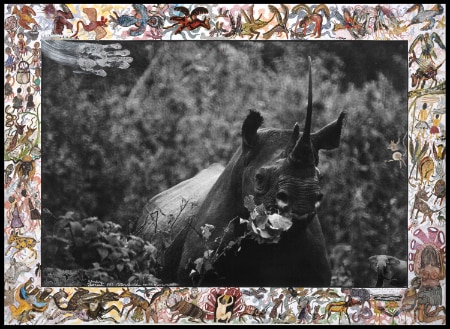
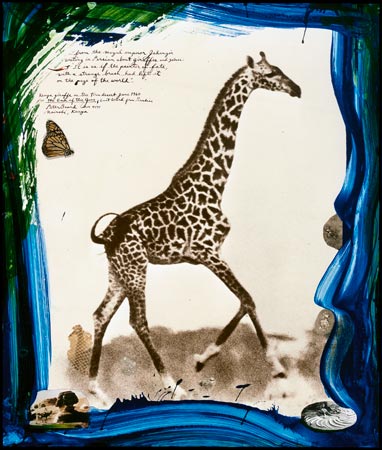
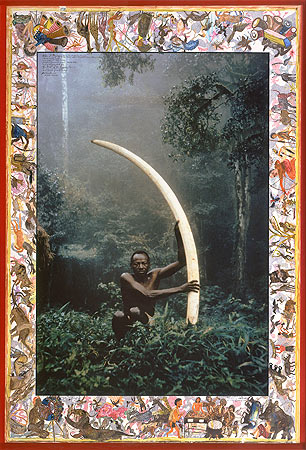
Likewise, while comfortable with polo ponies and other domesticated creatures providing companionship and amusement in the country houses of the “great and the good” of American High Society, Beard had a casually courageous affinity for the wildest of the wild animals: lions, elephants and particularly warthogs, after which he named the homestead he carved out of land close to Dinesen’s property, Hog Ranch. The subject of this exhibition is, first and foremost, photographs of these ungovernable lords of the Savanna.
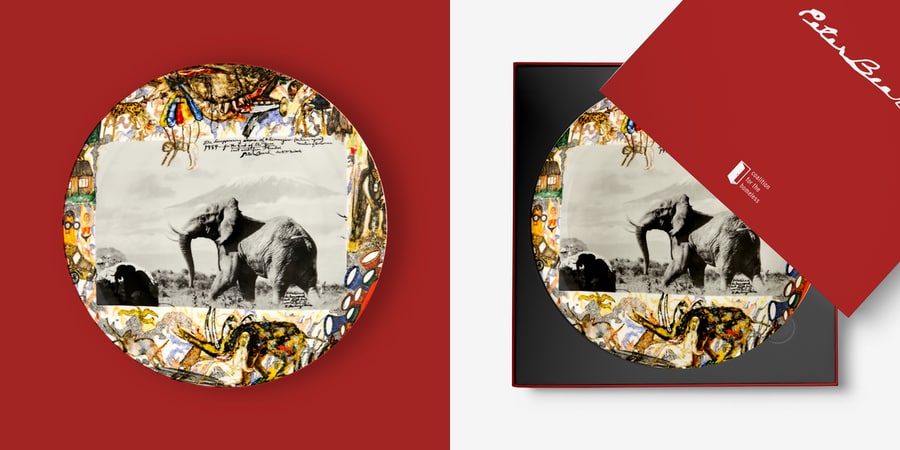
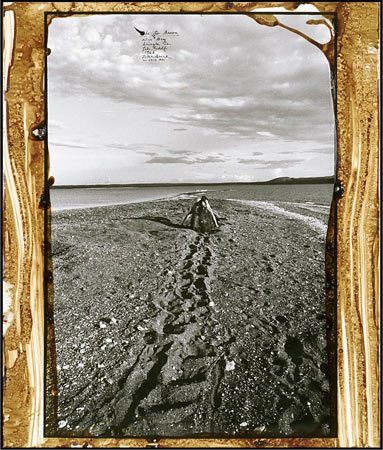
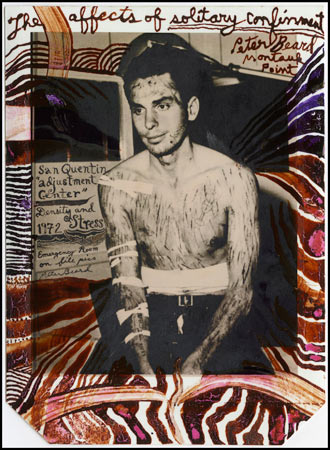
But also, the exhibition features exclusive glimpses of family life, with his wife Nejma and daughter Zara. Most of these prints have been embellished with drawings by the artist. Or, by fellow African artists who lived alongside him, and whose talents he fostered when they demonstrated their unique abilities to depict their common milieu, resulting in a body of work that conflates and confounds outmoded cultural dichotomies of “primitive” and “fine art,” much as the work produced by Aboriginals in Australia and the Inuit in North America does.
The larger import of Beard’s work came with a plea that humans not look at “wild animals” and indigenous communities that coexisted with them with National Geographic eyes as Nature’s exotics, but with full appreciation of how well they were adapted to their setting and each other. And, for that reason, how remarkable they are – and how endangered! But, he added “The wilderness of only half a
century ago, then so completely itself, has been reduced tree by tree, animal by animal, shadow by shadow, rock by rock to its last rutted corners. The few remaining spaces have been infiltrated, divided up, domesticated, deprived of natural systems, similarized, (sic) artificialized, sterilized, commercialized …”
Looking at these photos and their embellished margins should inspire regret as much as wonder, uneasiness as much as amazement. For they are not just visually arresting documentation of an environment alive in every regard to its own unique but merciless beauty, they are a call to reconsider what we think we know and feel about the cradle of humankind and our species’ uncertain destiny as residents of the natural world.
Robert Storr
Brooklyn, NY
January 2024
Robert Storr is a preeminent art critic, curator, artist, and educator, and the former Dean of Yale School of Art and senior curator in the
Department of Painting and Sculpture at the Museum of Modern Art, New York. He has written numerous catalogues, articles, and books on major 20th and 21st-century artists. He was the first American to serve as visual arts director of the Venice Biennale.
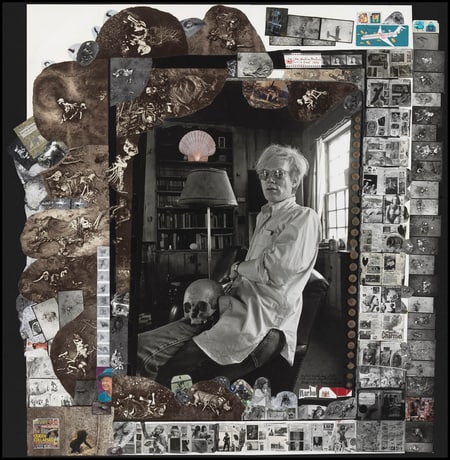
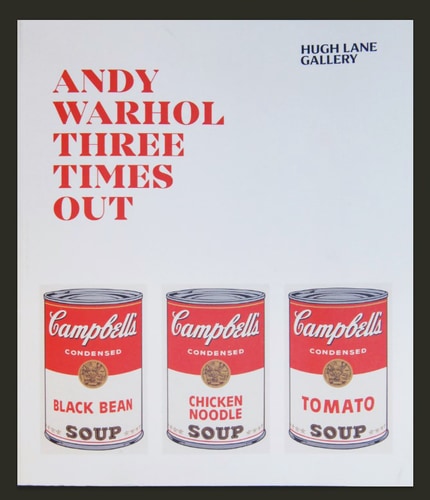 Dawson, Barbara, and Michael Dempsey, editors. Andy Warhol Three Times Out. Hugh Lane Gallery, 2023. Dublin: Hugh Lane Gallery, 2023. 11 x 9.13 x 1 in. (27.94 x 23.62 2.54 cm); 239 pages; fully illustrated in color and black and white; softcover. ISBN: 9781901702651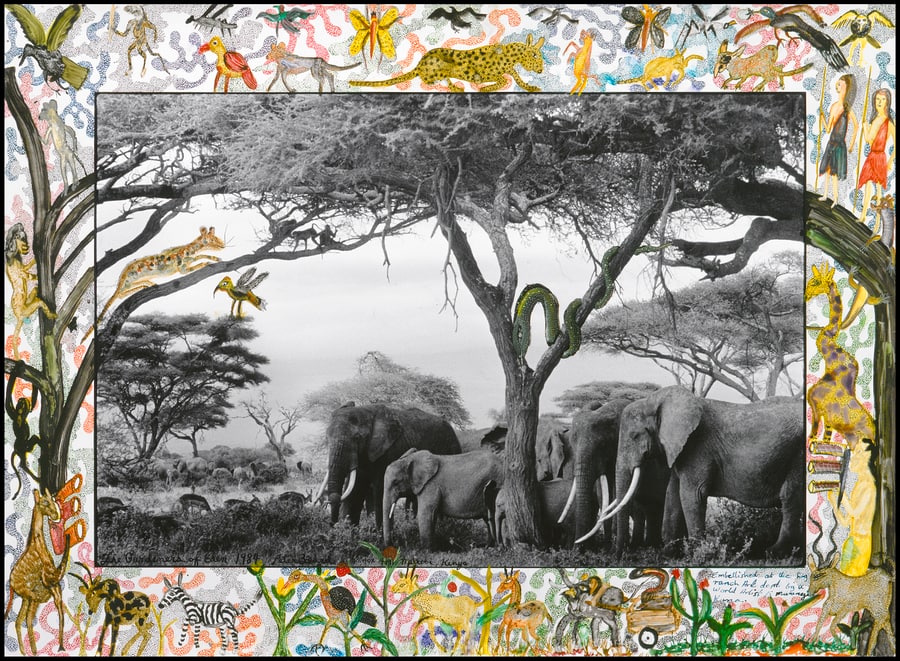
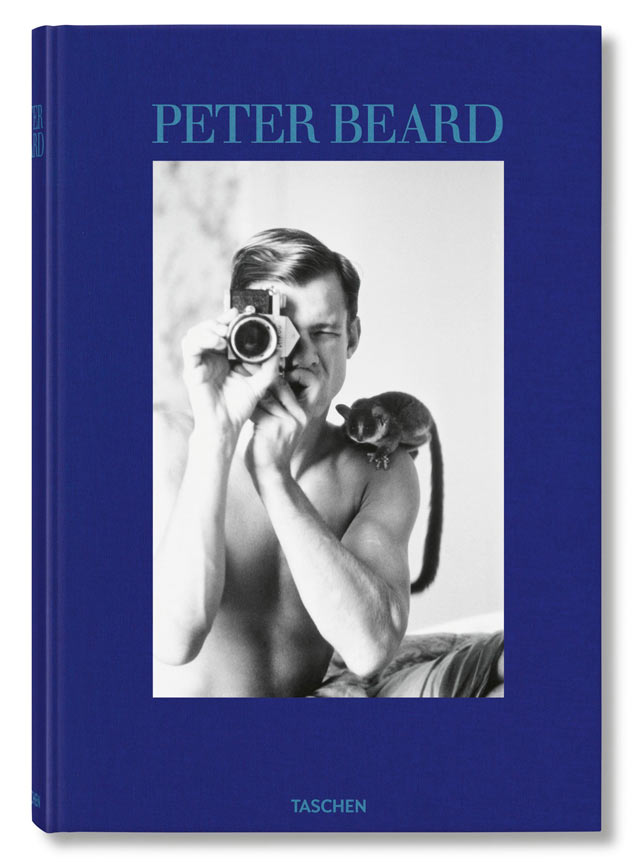 Taschen, Peter Beard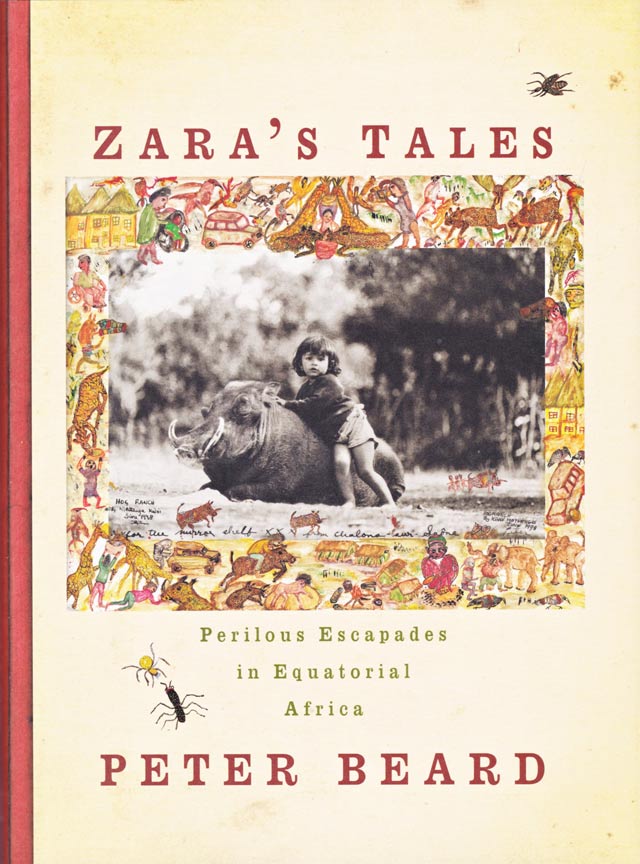
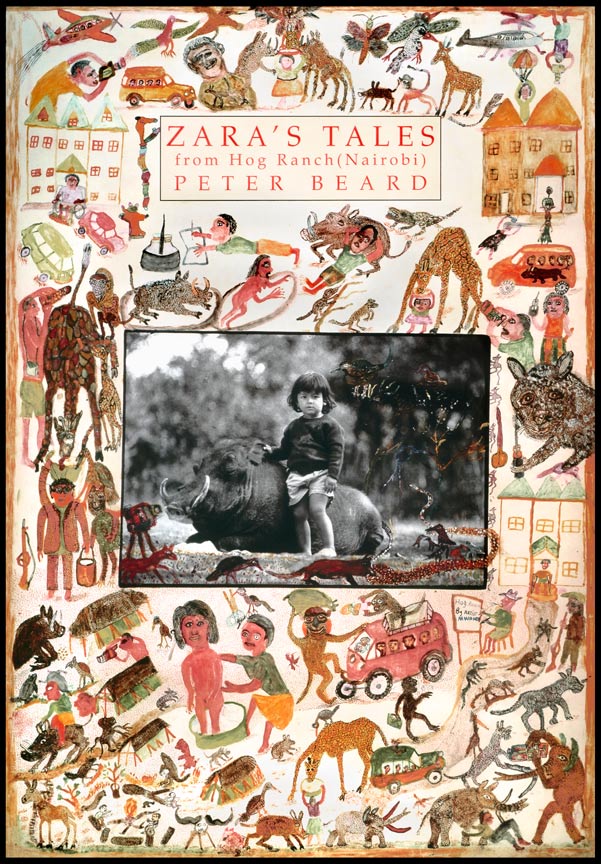
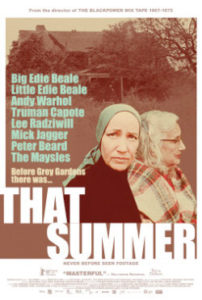 The documentary film That Summer premiered at the Telluride Film Festival and the Berlinale and opens in theaters on May 18, 2018.
 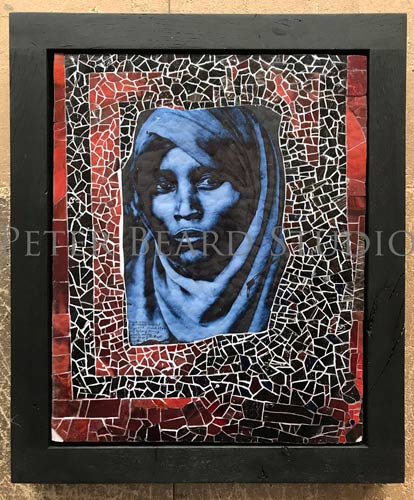 In honor of Franz Mayer of Munich’s 170th year producing architectural glass and mosaic in 2017, they present 17 editions in collaboration with 17 artists including Peter Beard, Geneviéve Cadieux, Eric Fischl, Sylvie Fleury, Ruth Gurvich, Ann Hamilton, Jan Hendrix, Vik Muniz, Michele Oka Doner, Jean Pagliuso, David Reed, Clifford Ross, Saskia Schultz, Shahzia Sikander, Kiki Smith, Mike and Doug Starn, and Pae White.
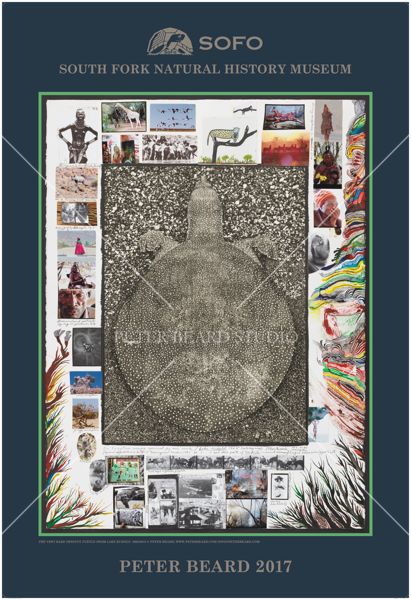 The South Fork History Museum and Nature Center will honor Peter and Nejma Beard at their 28th Annual Summer Gala on Saturday, July 8, 2017.
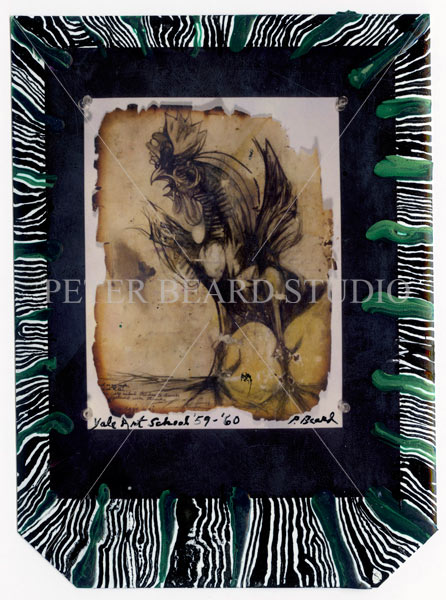 Peter Beard’s work will be exhibited as a part of The Polaroid Project, a traveling exhibition mounted by the Foundation for the Exhibition of Photography and curated by William Ewing, Barbara Hitchcock, Gary Van Zante, Deborah G. Douglas and Rebekka Reuter.